
 PSXE
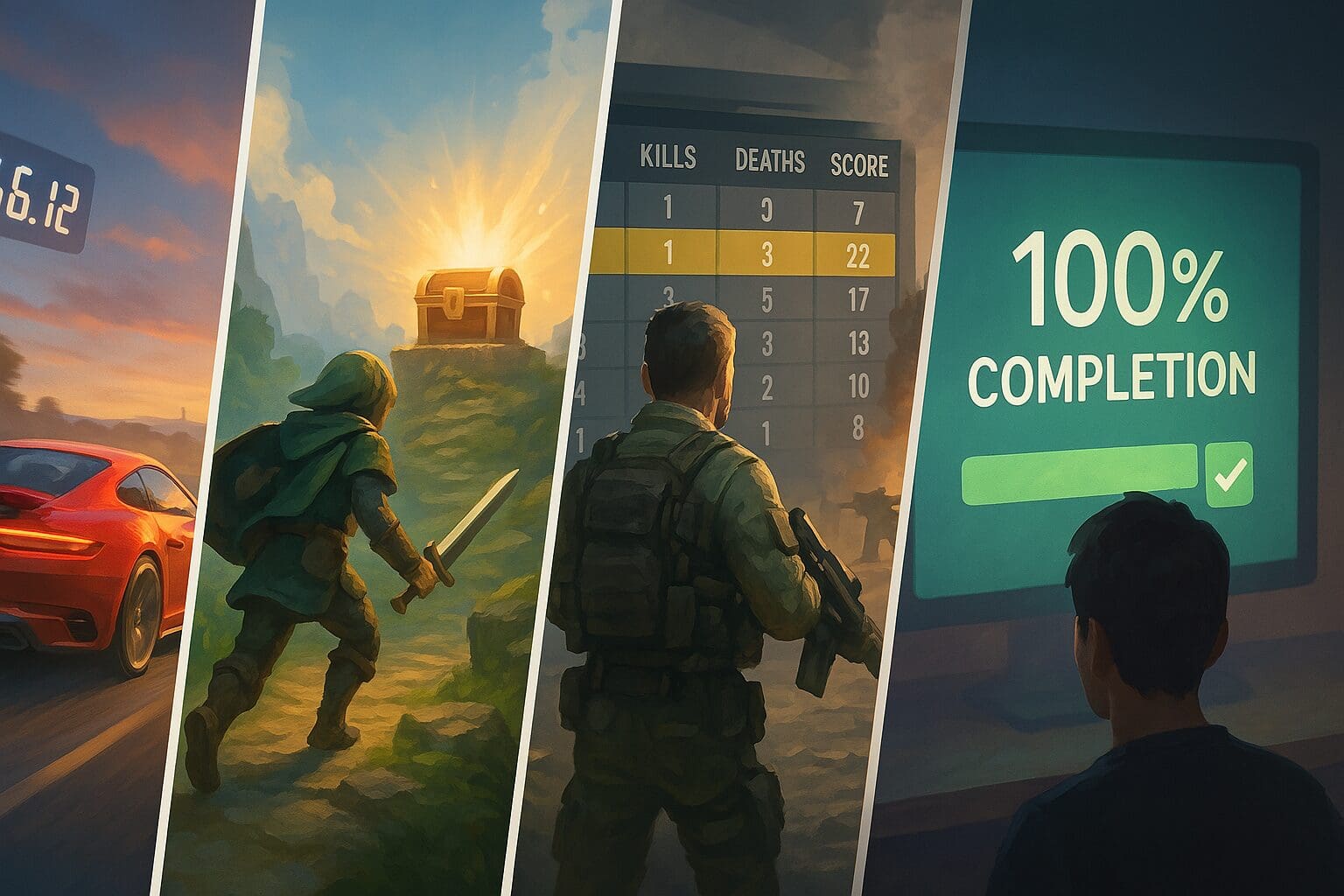
PSXEAsk a gamer if they’re competitive, and many will shrug it off. “Nah, I’m just here to have fun.” But watch how they play, and you’ll start to see something else. That player restarting a mission because they didn’t get all three stars? The one who can’t walk past a side quest? Or the guy who says he doesn’t care about kill/death ratios but checks the scoreboard every match?
Yeah—they care more than they’re letting on.
The thing is, competition doesn’t always mean going head-to-head in ranked lobbies. It shows up in smaller, quieter ways. And once you spot it, you start to notice it everywhere.
Chasing Wins Where You Least Expect It
Even in games that seem purely luck-based, people find ways to compete. Take online slots, for example. They’re simple by design—you spin, you hope. But that doesn’t stop players from picking “hot” machines, following winning streaks or trying to top daily challenges. Sites like Slots of Vegas know this. They lean into it with leaderboards, bonus rounds, and flashy wins. It’s not about strategy—but there’s still a drive to come out on top.
And that kind of thinking shows up in non-casino games, too. Ever try to beat your friend’s time on a racing game track? Or replay a platformer just to take a cleaner route? You’re not being forced to. You want to. There’s a spark that kicks in—something in your brain goes, “I can do better.”
The Completionist Struggle Is Real
Then there’s the crowd that wants every achievement, every collectible, every inch of the map explored. On the surface, they’re not competing with anyone. But really, they’re locked in a battle with the game itself. And it’s serious business.
For these players, a game isn’t considered “done” until everything is checked off. It’s not about finishing the story. It’s about owning it. There’s a weird satisfaction in seeing that 100% screen pop up—like you’ve wrestled the game into submission. That’s competition, just without the trash talk.
When “Good Enough” Isn’t Good Enough
Sometimes, it’s not about winning or completing—it’s just about not settling. A player might beat a level but still go back because something didn’t feel right. Maybe they took too much damage. Maybe their timing was off. Whatever the reason, they’re not happy with “just okay.” That quiet refusal to settle shows up more than people admit. And it pushes players to improve, even if no one’s watching.
Multiplayer Without the Spotlight
A lot of folks avoid ranked playlists because they don’t want the pressure. But drop them into a casual team match, and suddenly, they’re trying hard not to be the weak link. They’ll swap weapons, change tactics, and replay the same segment to get it right. Not to impress anyone. Just because they don’t want to lose, even when the stakes are imaginary.
And in co-op games, that instinct shows up in different ways. If your teammate solves the puzzle first or handles a boss like a pro, there’s a quiet motivation to step up your own game. You don’t say it, but it’s there.
It’s Not a Bad Thing
None of this is meant as criticism. The drive to improve—even in small ways—is part of what makes gaming stick. Games give you goals. They offer feedback. And they reward effort, often in subtle but satisfying ways.
So, no, not everyone is chasing esports glory. But that doesn’t mean they aren’t competing. Most gamers are. Just in ways they don’t always recognize.