
 PSXE
PSXEFew games manage to blend breathtaking visuals, fluid combat, and deep storytelling into a single unforgettable experience. Ghost of Tsushima did just that, carving its place in PlayStation history not just as a technical marvel, but as a narrative masterpiece. It’s a game that reminded players why PlayStation exclusives carry such weight in the gaming world—and why they often set the gold standard for immersive storytelling.
For those who finished the game and are craving similar experiences, exploring the best games like Ghost of Tsushima is a natural next step. But before diving into comparisons, let’s take a closer look at why this samurai epic raised the bar for PlayStation’s narrative legacy.
A Cinematic World Brought to Life
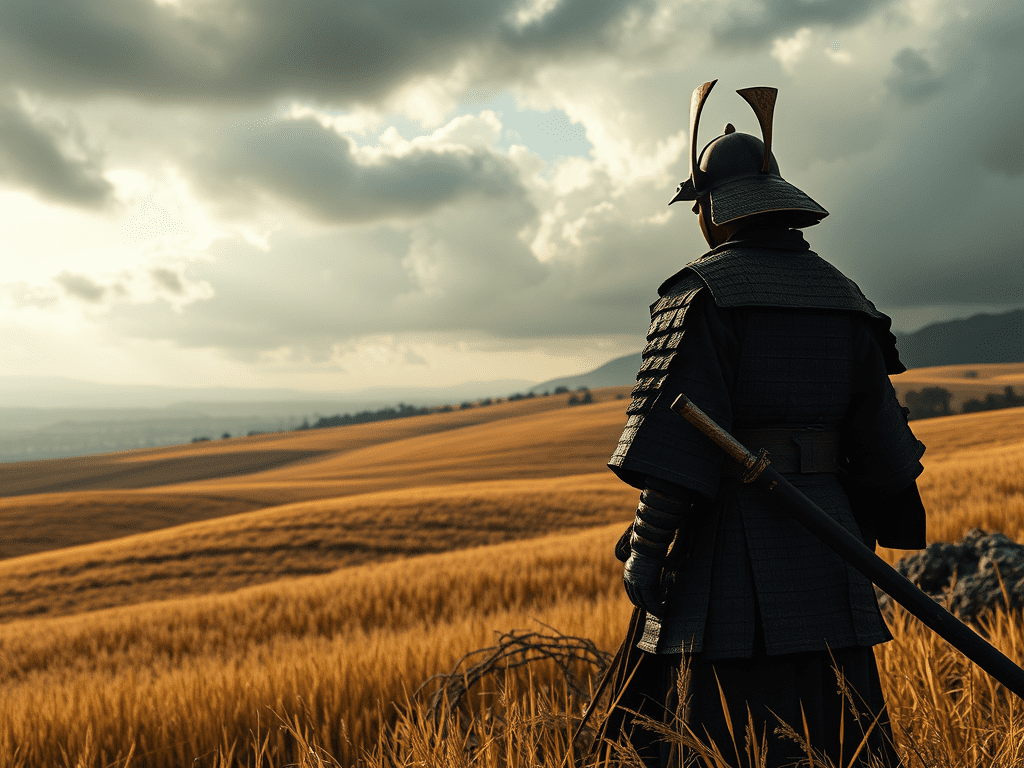
From the very first ride across Tsushima’s golden fields, players felt like they were stepping into a living samurai film. Inspired heavily by the works of Akira Kurosawa, the game embraced cinematic flair with wind-swept landscapes, moody skies, and duels framed like works of art. PlayStation fans weren’t just given a game—they were given a cinematic journey where every screenshot felt like a movie poster.
This attention to visual storytelling was crucial. Without heavy exposition, the world itself told the story: villages burned by invaders, lone survivors grieving over ruins, and shrines hidden in quiet forests. The setting was more than a backdrop; it was a living character in its own right.
Jin Sakai’s Journey of Honor and Conflict
At the heart of Ghost of Tsushima lies Jin Sakai, a samurai torn between the traditions of his upbringing and the brutal realities of war. His transformation into the “Ghost” wasn’t just about gameplay mechanics—it was a moral crossroads. Players weren’t just slashing through enemies; they were embodying a man wrestling with his identity, honor, and duty to his people.
This layered character development elevated the story beyond a simple revenge plot. Every decision felt steeped in weight, reflecting the timeless struggle between sticking to one’s principles and adapting to survive. Few PlayStation titles have captured this level of emotional nuance so effectively.
A Story Told Through Play, Not Just Dialogue
What truly set Ghost of Tsushima apart was how it wove storytelling into gameplay. The fluid combat reflected Jin’s inner struggle—traditional standoffs honoring samurai roots contrasted with stealthier “Ghost” tactics that symbolized compromise. Side quests weren’t just filler; they expanded on themes of sacrifice, loyalty, and grief.
Instead of forcing players through cutscenes, the game let its mechanics, world, and pacing tell the tale. This design philosophy made the experience uniquely personal, ensuring every duel, every stealthy strike, and every wind-guided journey carried narrative weight.
Setting the Standard for PlayStation Narratives
PlayStation has long been home to narrative-driven experiences—The Last of Us, Horizon Zero Dawn, and God of War all stand tall. Yet Ghost of Tsushima distinguished itself with how it married mechanics, aesthetics, and themes into one cohesive package. It didn’t just tell a story—it immersed players inside one.
This is why the game continues to be hailed as a benchmark for future exclusives. It proved that storytelling isn’t confined to dialogue or cutscenes; it thrives when world design, player choice, and gameplay harmonize to deliver an unforgettable journey.
The Legacy of the Ghost
Years after its release, Ghost of Tsushima still resonates as one of PlayStation’s crown jewels. Its samurai spirit, cinematic presentation, and emotional depth created a blueprint for what modern narrative-driven games could achieve.
And for those seeking similar adventures filled with rich worlds and layered storytelling, digital marketplaces like Eneba are great places to find the best games like Ghost of Tsushima. Whether you’re chasing samurai duels, sweeping landscapes, or character-driven drama, the Ghost’s legacy ensures PlayStation players will always have a high bar for storytelling.