 PSXE
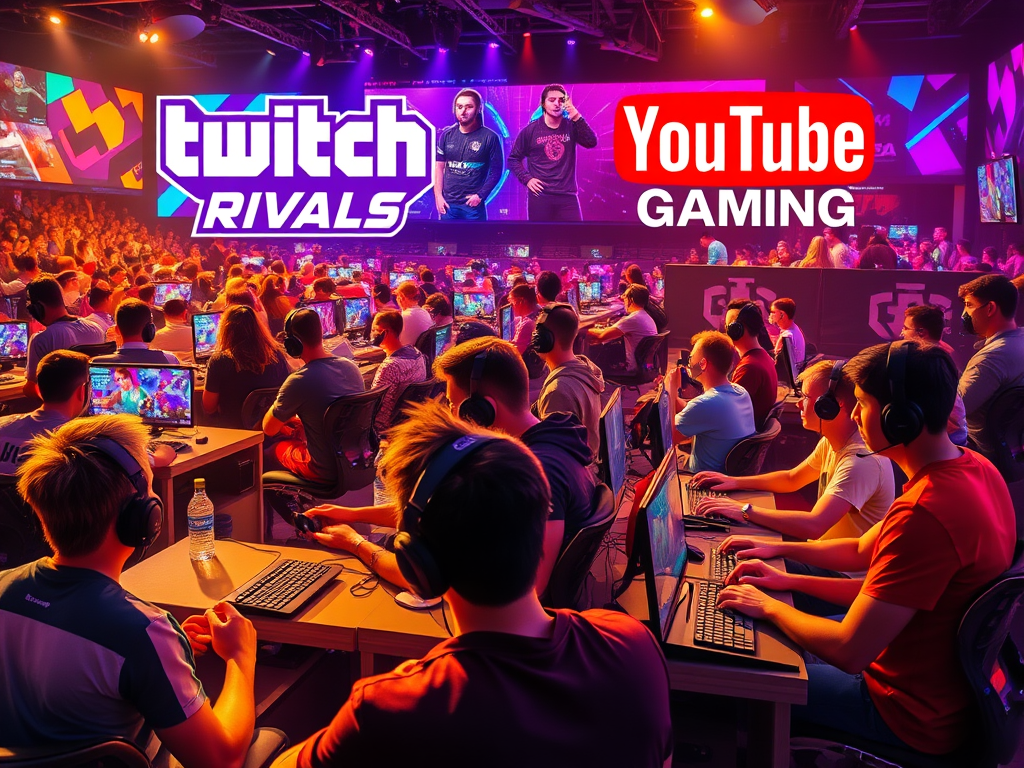
PSXEEsports used to be all about the pros — massive arenas, million-dollar prize pools, and teams with sponsorships plastered across their jerseys. But lately, a new force is shaking up the digital battleground: streaming platforms. Twitch Rivals and YouTube Gaming aren’t just broadcasting esports anymore — they’re reshaping what it means to compete, connect, and create in real time.
These platforms are building a new kind of esports culture — one that blends pro-level gameplay with entertainment, accessibility, and community-driven energy. And that shift is turning every gamer with a webcam into a potential esports star.
From Pro Arenas to Personality-Driven Competition
Traditional esports has always focused on elite teams — think Cloud9, Fnatic, or Team Liquid — battling in massive tournaments. But Twitch Rivals and YouTube Gaming flipped the script. They realized something powerful: audiences don’t just want to watch skill; they want to feel connection.
So instead of just promoting highly polished events, they built formats where creators — not just pros — could compete, bringing humor, chaos, and creativity into the fold. The result? Viewers tune in not only for who wins, but for the storylines, banter, and moments that unfold live.
For many, participating is now easier than ever. With platforms like a Refilled website supporting prepaid cards, subscriptions, and gaming credits, fans can back their favorite creators, join events, or even fund their streaming setups. It’s a growing ecosystem where financial access meets creative energy — a space where esports is no longer locked behind paywalls or pro circuits.
Twitch Rivals: Where Chaos Meets Community
Twitch Rivals has become a phenomenon. Instead of formal brackets and corporate structure, it’s all about spontaneity and community.
What Makes It Work:
- Creator-first formats – Streamers pick teams of friends, rivals, or even randoms. The goal isn’t just to win — it’s to entertain.
- Multi-genre flexibility – From Valorant to Minecraft and Fall Guys, every type of gamer gets their spotlight.
- Audience participation – Viewers don’t just watch. They vote, predict, and meme in real time.
It’s the esports equivalent of a late-night talk show — part competition, part chaos, all community. And with the casual vibe, smaller creators get to share the stage with legends, making the ecosystem more inclusive than ever.
YouTube Gaming: The Polished Challenger
YouTube Gaming has taken a different path — one that leans into production quality and global scalability. It’s building massive, cross-creator tournaments that blend professionalism with storytelling.
What Sets It Apart:
- Long-form content integration – Matches get clipped, analyzed, and rewatched as standalone videos.
- Monetization built in – Streamers can profit through memberships, Super Chats, and ad revenue.
- Cross-platform power – YouTube links every event to the broader creator ecosystem — shorts, collabs, and brand deals included.
YouTube Gaming is perfecting what Twitch pioneered: merging content creation with competition. It’s not just hosting tournaments; it’s building legacies that live beyond the livestream.
The Future: Esports as Entertainment, Not Just Sport
The line between pro esports and live-streamed entertainment is officially gone. Viewers no longer tune in just to see who wins — they show up for the personalities, the rivalries, and the unpredictable energy that only live streams can deliver.
Prepaid systems, streaming memberships, and fan funding are creating a more open ecosystem where anyone can join in — whether as a competitor, viewer, or backer. Platforms are no longer gatekeepers; they’re enablers.
And that’s the beauty of this new age: esports isn’t just about skill — it’s about storytelling through play.
So next time you tune in to watch your favorite creator go head-to-head in a chaotic Twitch Rivals event or a polished YouTube Gaming tournament, remember — you’re witnessing a revolution in real time.