
 PSXE
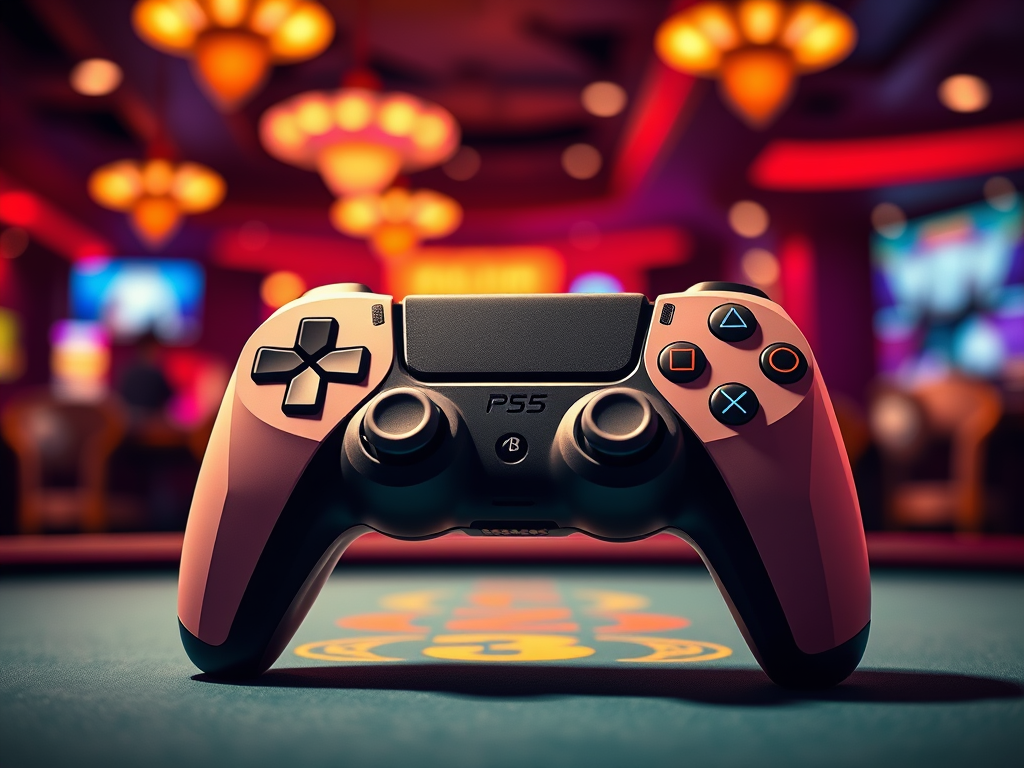
PSXEThe DualSense can mimic texture, weight, and tension in small, precise bursts. That is ideal for casino pacing, where anticipation does most of the work. A light buzz can mark a dealt card. A sharp tick can flag a winning line. Players read these cues faster than any on-screen banner.
Designers should map payouts and near-misses to distinct patterns. Keep the strongest motors for rare events. Use softer pulses for routine actions. This avoids fatigue and preserves that rush when a jackpot lands. It also helps players track the round without staring at the HUD.
Where the platform experience fits
Most casino play on PS5 happens through web apps or companion apps, not disc installs. That makes UI discipline critical. Clear menus, readable chip values, and fast reconnection matter more than fancy transitions. A well structured cashier and lobby reduce friction and keep the focus on the table.
When testing across devices, it helps to benchmark against a polished hub like Bets.io. A clean category tree, stable streaming, and responsive inputs set a useful baseline for controller-first design. From there, tune haptics and audio timing so every spin and button press feels crisp on the couch, not just at a desk.
Making slots and tables feel tactile
Slots and card games respond best to short, layered patterns. The goal is to feel state changes, not drown the hand in vibration. Reserve adaptive trigger tension for moments that carry weight, like locking a bet or revealing a bonus reel.
Before and after building patterns, step back and check the emotional curve. If everything feels loud, nothing feels special. Keep a small library of reusable cues and assign them by function, not theme. That keeps updates consistent even as art shifts.
Practical mappings that work well on PS5:
- Soft double tap when a card hits the felt.
- Rising micro-pulses during hold-and-spin build-up.
- Firm click on bet confirmation and cashout.
- Brief asymmetric knock on near-miss to the reel side that stopped.
After shipping, monitor session length and churn around intense effects. If players bounce after bonus rounds, reduce duration or intensity. Haptics should guide, not exhaust.
3D audio that earns its seat
Good spatial audio does more than decorate the room. It separates layers so players can follow action with their ears. Slot ambience should sit wide and low. Dealer voice should center and cut through. Table chips and crowd reactions can live behind the listener to suggest depth.
Tie sound states to game states. Fade floor noise when stakes rise. Tighten reverb for private tables. Keep win stingers short so they do not fight callouts. This mixes cleanly with haptics and avoids sensory clutter during peak moments.
Accessibility and comfort for longer sessions
Not every player enjoys heavy feedback. Add sliders for vibration strength, trigger tension, and stinger volume. Offer high-contrast chips and adjustable text at the table. Controller remapping helps left-hand dominant players handle quick actions without strain.
Inclusive features also widen the audience. Industry groups like AbleGamers highlight how flexible controls, readable UI, and scalable challenge improve access and retention. For casino play, that translates to clear affordances, optional aim assist on mini-games, and steady input windows for timed holds.
A simple build checklist
Teams move faster with a short, shared checklist. Run these items before each milestone and after major content drops:
- Map one distinct haptic cue per core event.
- Keep a master gain ceiling for vibration and stingers.
- Verify readable chip stacks and button states at 2 meters.
- Provide presets for Low, Medium, and Off on all feedback.
Round out the set with spatial audio tests. Confirm that the mix holds on TV speakers and headphones. If the soundstage collapses on stereo, revisit occlusion and panning. Guides to 3D sound explain why consistent elevation cues and head-related filtering keep placement believable.
PS5 can make a virtual table feel close to physical. Not by blasting effects, but by pairing small, intentional haptics with clean spatial audio and friendly UI. Do that well and every deal, spin, and reveal lands where it should – in the player’s hands.