 PSXE
PSXEThe line between video games and gambling has always been blurry, but in recent years, it seems thinner than ever.
With the rise of loot boxes, microtransactions, and competitive online rewards, many players and critics have raised concerns that video games are starting to look and feel more like casinos. Some argue this is an inevitable evolution of digital entertainment.
Others believe it signals a growing problem that could expose younger audiences to gambling-like behaviours before they even reach legal age.
The discussion is complicated, and it also includes issues of technology, business models, psychology, and ethics. To understand what is really happening, it helps to look at how the industries overlap, what features are being borrowed, and whether the concern is justified or exaggerated.
With that said, here is a closer look at whether video games are moving closer to casinos, or if this is just moral panic.
Why gaming and gambling are crossing paths
Video games and gambling share a fundamental principle, often referred to as risk and reward. In traditional casinos, that risk involves money directly, while in video games, it might involve virtual currency, time invested, or progress in a game.
Developers have realised that the thrill of chance and the excitement of winning is a powerful way to keep players engaged.
Both industries also thrive on innovation. For example, online casinos/software providers/game development studios are constantly reinventing slot machines, table games, and digital platforms to keep players entertained.
Video games follow a similar pattern, evolving with new mechanics and monetisation models to maintain player interest. The crossover is not surprising, especially when companies are competing for attention in an era of short attention spans and limitless entertainment options.
Critics say the blending of these two models is not just coincidental but intentional. By adopting mechanics that mimic gambling, game developers may be conditioning players to spend more, reinforcing the idea that luck and chance are central to digital entertainment.
Are video games adopting casino-style features?
Many players have noticed that modern video games often include elements that feel straight out of a casino, and loot boxes are the most obvious example. These digital items give players a random selection of rewards in exchange for money or in-game currency.
The process mirrors slot machines, where the anticipation of the outcome can be more addictive than the reward itself.
Other mechanics, such as ‘gacha’ systems in mobile games, daily login rewards, and limited-time offers, also resemble casino tactics. They encourage frequent engagement, sometimes multiple times per day, and create a sense of urgency that pushes players to keep returning.
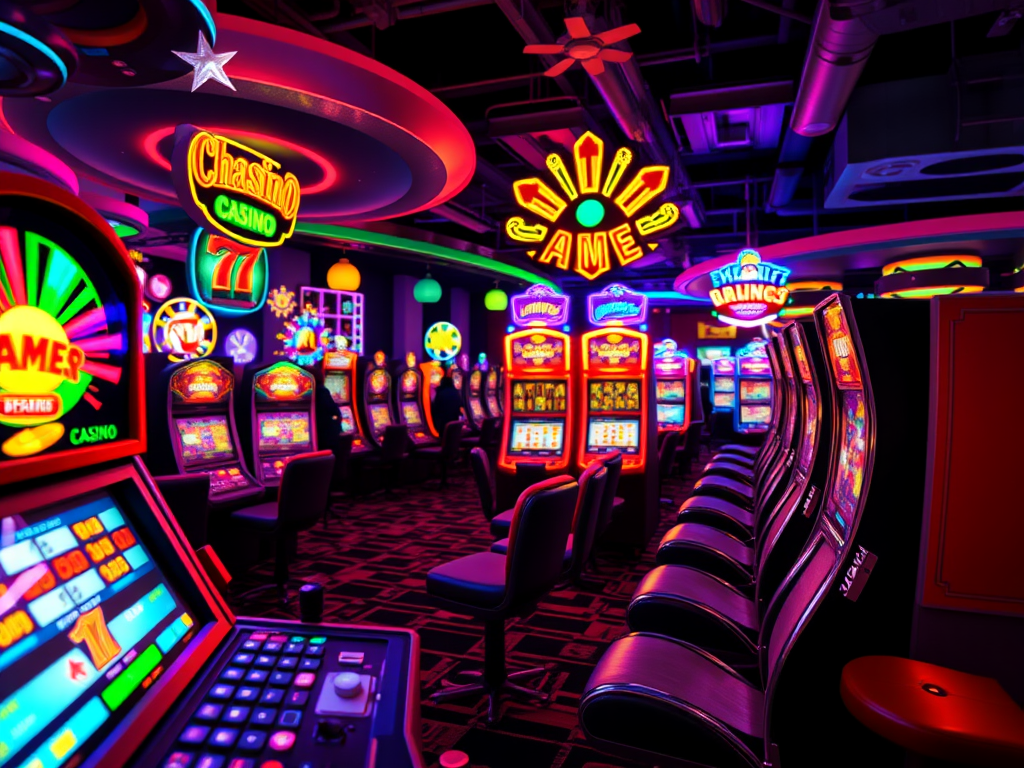
Some video games even feature spinning wheels, prize chests, and sound effects that replicate the sights and sounds of casino floors. The difference is that in video games, the prize is not always cash but can be character upgrades, cosmetics, or other digital rewards.
Whether or not this counts as gambling is still debated, but the similarities are hard to ignore.
How sweepstakes casinos often have daily bonuses
At the same time, online gambling operators are adopting strategies from video games to keep their players engaged. For example, sweepstakes casinos often have daily bonuses designed to bring users back on a regular basis.
Instead of relying solely on deposits, they offer free coins, spins, or entry tokens each day. This approach ‘gamifies’ the gambling experience, making it feel less like a transaction and more like a consistent daily habit.
The connection between the two industries becomes clearer when you see how both reward systems are structured. Video games use daily logins, streak rewards, and progression incentives.
Sweepstakes casinos mirror this by providing daily bonuses and seasonal promotions that mimic game-like achievements. The overlap shows how much each industry has learned from the other in designing systems that maximise player retention.
The debate: innovation vs moral panic
This crossover raises an important debate. For example, on one side, supporters argue that these systems are simply innovations that keep entertainment fresh. They say people are free to choose how they engage, and both gaming and gambling industries are giving audiences what they want.
Generally speaking, a loot box in a game might be no different than opening a pack of trading cards, where the outcome is also uncertain.
On the other side, critics warn that these mechanics are blurring the line in a dangerous way. They point out that video games attract younger audiences who may not have the maturity to recognise the risks of gambling-like behaviours.
They also argue that these systems are intentionally designed to be addictive, using the same psychological triggers that casinos have perfected over decades.
The question then becomes whether this is a genuine concern for consumer welfare or a case of moral panic. History is full of examples where new forms of entertainment sparked fears, from comic books to rock music to television.
However, it’s equally true that industries which rely on addictive behaviours should be monitored closely.
What this means for the future of entertainment
Looking ahead, the overlap between gaming and gambling is unlikely to disappear. If anything, it will grow as both industries continue to borrow ideas from each other.
We are already seeing video games experiment with real-money markets and casinos gamify their platforms with achievements, levels, and themed experiences.
The future could bring a new hybrid form of entertainment where the difference between playing for fun and playing for money becomes even less distinct, which presents a challenge for regulators. They must decide how to protect consumers without stifling creativity and innovation.
When it comes to the players, it means being more aware of how games and platforms are designed to capture attention and encourage spending.
Final thoughts
Ultimately, whether this trend is seen as progress or a problem depends on perspective. To some, it represents the natural blending of two forms of entertainment that have always shared common ground.
To others, it’s a slippery slope that could normalise gambling behaviours for an entire generation of gamers. What is certain is that the debate will continue, and the choices made by developers, regulators, and players will shape the future of digital entertainment for years to come.