 Matt Martindale
You can’t make a first impression twice.
A video game intro sets the tone for what is to come. This remains true to this day, but in the times of FMV intros it was even more important. In the grandiose era of the PS1, an intro was as exciting to see as the game was to play. It was a gift, a cinematic treat to whet the appetite for the adventure we were about to embark on. So much nostalgia is wrapped up in these intros; they are echoes of memories from our childhoods. But, times have changed and game intros have evolved with them, but the FMV’s have remained in our memories.
Here are 10 of the greatest PS1 intros.
Final Fantasy VIII
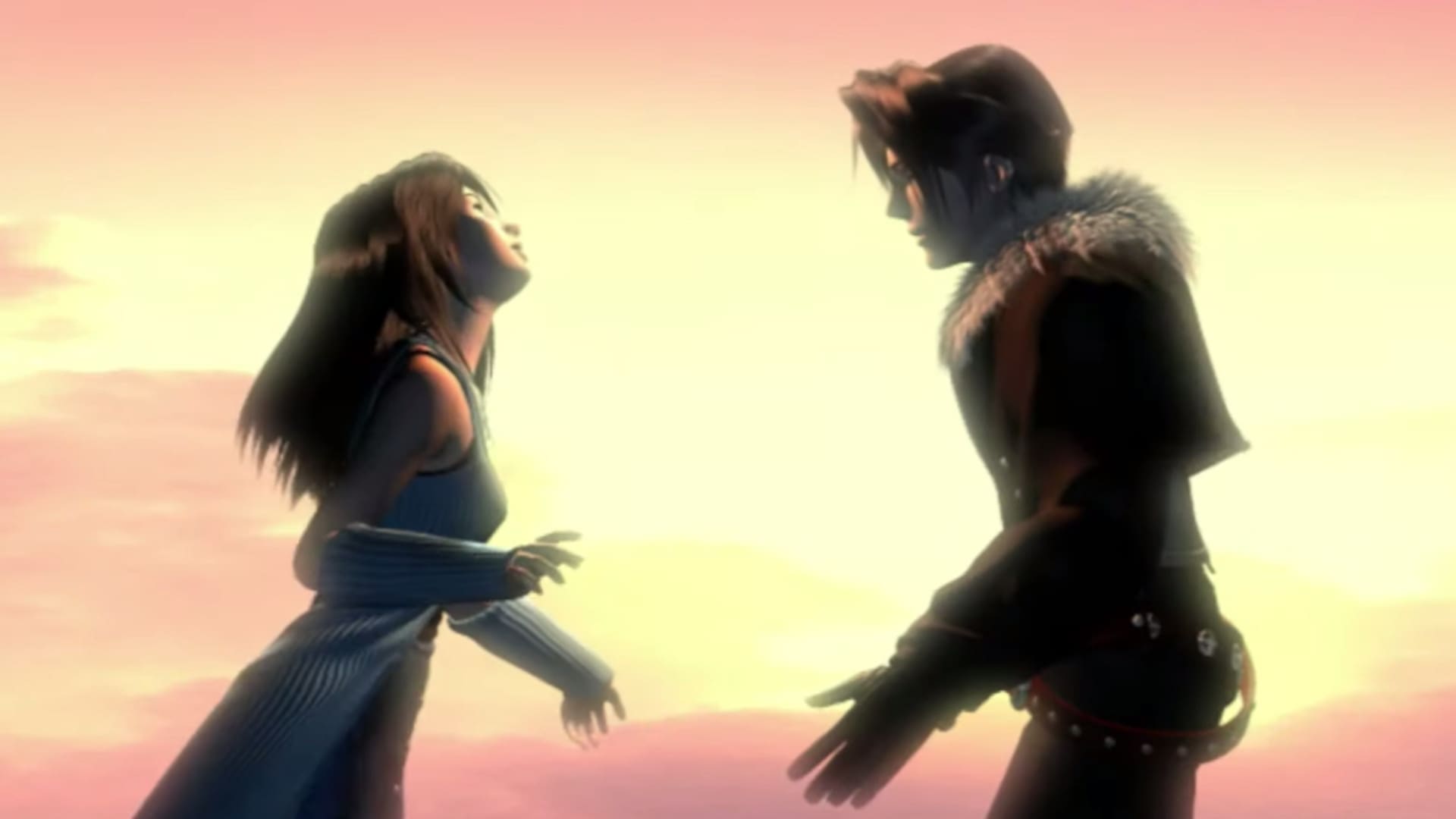
Sandwiched between two beloved installments, Final Fantasy VIII is the PS1’s divisive Final Fantasy. To some it is an underrated masterpiece unfairly maligned because of its proximity to its more popular brethren. To others, it is the unfortunate middle child, the awkward one that doesn’t amount to the same level of success. It is an argument that has raged for years and will continue to do so. If there is one area where VIII can stand head and shoulders above the others, it is its brilliant intro.
Beginning with the tide and backed by the sound of Nobuo Uematsu’s haunting Liberi Fatali, the sequence is a masterpiece. There are glimpses of scenes from the game, but more importantly, there’s a fight between Squall and his rival Seifer. It is an intense battle, interspersed with shots of Rinoa and the sorceress Edea. In the course of the fight Squall receives his trademark scar, a result of Seifer slashing him with a gunblade. The song, the fight and the cutting edge graphics set the groundwork for the epic story to come. Regardless of whether the game lives up to the hype, there is no greater Final Fantasy intro than this.
Chrono Cross
It is a tough gig to be the sequel to one of the most beloved games ever made. To this day some would argue that Chrono Trigger is the greatest RPG in history. Will anybody make the same argument for Chrono Cross? Probably not, but that does not mean the game is without its own merits.
The FMV intro encapsulates most of what’s great about the second Chrono game. The wonderful song “Time’s Scar” is our introduction to the game’s strongest component — its brilliant soundtrack. Beginning with a shot of a book, it is a slow start, but it builds to a cacophony of brilliance. We transition from the book to various shots of scenes to come in the game. Each one blends incredibly well with “Time’s Scar” as the track becomes increasingly frantic and epic. Truthfully, the intro would not work without the music, but that is true of the game also. Yasunori Mitsuda has done great work in the industry, but “Time’s Scar” is his opus. It gave Chrono Cross an iconic opening that stands the test of time.
Dragon Ball GT Final Bout
Once upon a time this was the most accessible Dragon Ball game in the west. Thankfully those dark days are long gone and this dreadful thing has been consigned to the scrap heap of history. But to be fair, it wasn’t all terrible. I promise, this isn’t misty eyed nostalgia. The game is pretty poor, but it had a badass intro that offered westerners a glimpse of Dragon Ball’s future.
Cell, Buu, adult Gohan and Goku’s sweet new outfit. This epic intro had so many mind blowing moments for western Dragon Ball fans. It was an insight into things to come, and a portent of the poor quality of Dragon Ball GT. It even had a rocking song from Hironobu Kageyama, the same guy who sang DBZ’s “Cha-La-Head-Cha-La.” It’s a real shame that this great intro is stuck in such a lame game.
Legacy of Kain: Soul Reaver
This spot could easily go to Blood Omen: Legacy of Kain. A brilliantly gothic intro in its own right; it depicts the murder and resurrection of the eponymous Kain. Now a vampire, Kain swears vengeance on his killers. It is a great intro, but somehow the follow-up is even better. The FMV was a thing of beauty in 1999 and even now it still looks pretty damn good. It is astounding that it was produced on PS1 hardware.
Soul Reaver’s FMV confirms the dark ending of Blood Omen is canon. Having succeeded in his quest for vengeance, Kain chose to corrupt the pillars of Nosgoth. Now he rules the land as a vampire overlord. In the years since, Kain has evolved into a more demonic form and sired a brood of vampire followers. Among them is Raziel, the protagonist of Soul Reaver and Kain’s favorite servant. As Kain evolves, his servants follow suit until one day Raziel evolves before his master. A furious Kain turns on Raziel for growing wings, something he himself had yet to achieve. The vampire leader casts Raziel into an acidic void, which burns away his flesh and leaves him a vengeful revenant.
Voice acting was always a strong point of the series and this intro is no exception. Raziel himself is our narrator and tells the story of his betrayal as we watch the horror unfold. This short intro achieves so much in just a few minutes. It simultaneously introduces a new protagonist whilst casting the former hero as the dastardly villain. It provides Raziel with a compelling arc and turns us against Kain in one fell swoop. It is one hell of an achievement.
If you have never played Soul Reaver, check the intro out. Even if you have no interest in the game itself, the FMV is worth watching. It is that good.
Tekken 2
Is Tekken 2 the best PS1 entry in the series? No, its immediate successor holds that honor. But does Tekken 2 have the best opening sequence? Hell yes it does!
There are plenty of cool things to see in this intro. Lei Wulong’s badass debut, Nina Williams’ unnecessary hotness, and King stumbling into some bins. Ah the memories! Seriously though, the biggest thing of all bookends, the intro – Heihachi Mishima’s comeback. Heihachi’s climb should herald the return of Tekken’s big bad, instead, it is Devil Kazuya who must be defeated.
In his ending in the original, Kazuya Mishima flung his defeated father from the top of a mountain. The sequel’s FMV picks up directly from this moment and shows Heihachi climbing back up the mountainside and vowing revenge. It’s hard to feel sympathy for Heihachi, he definitely got what was coming to him. That’s the catch though. Somehow, Heihachi is the good guy in Tekken 2. I mean, he is still super evil. But it turns out our erstwhile hero is even more of a miscreant than his spiky haired daddy. Devil was a secret character in the original game, a purple demonic palette swap for Kazuya. This secret sets the stage for the plot of the sequel.
We only glimpse Kazuya briefly, but what a glimpse it is. The martial arts outfit from the original is gone. In its place is an iconic Kazuya fit – the purple suit. Red eyes complete the new look and tells us that something is wrong with the King of the Iron Fist. But that’s not all; despite the demonic possession, an angel lurks behind Kazuya. A fight for his soul awaits. So, is there hope for Kazuya? In a word, no. He’s going to die, return to life and, if anything, get even worse. But it makes for a compelling image and with it one hell of an intro.
Resident Evil
Oh you know this one had to make it.
This live action monstrosity very much falls into the realm of “so bad it’s good.” We see the STARS team, including Chris Redfield and Jill Valentine, approach the Spencer mansion. But before they can enter they are attacked by monsters! Chaos, death and bad acting ensue as the team run toward the apparent safety of the mansion. Only three members make it to the building: Chris, Jill and the not at all suspicious Albert Wesker. From there we take control of either Chris or Jill and the survival horror begins.
It is a tricky proposition to celebrate ‘bad’ things, but in a way it sums up what RE is about. It is goofy, it is funny and yes, to an extent, it is quite bad. But that inherent goofiness is part of the charm. Cheesy cutscenes are a staple of the series, particularly given the campy villains that we would encounter through the years. Ramon Salazar, the Code Veronica twins, even Wesker himself, RE is full of cornballs and has been from day one.
Yes, this opening is cheap and full of bad acting, but is it really so different from what comes later? It is the perfect representation of what RE became; a horror story that knows not to take itself too seriously.
Broken Sword: Shadow of the Templar’s
A member of the PC master race in the ’90s may have already been familiar with this adventure gem. For the rest of us though, it was the PS1 port that first introduced George Stobbart. An animated intro, narrated by George himself, welcomes us to a small cafe on the streets of Paris. George’s peaceful Parisian retreat is interrupted by a sinister looking clown who soon blows the cafe to smithereens!
Thankfully George survives and sets about getting to the bottom of the clownish mystery. We will move far from the streets of Paris as George is drawn into an insidious plot spanning the globe. However, everything we see has its root in the intro. The clown’s bomb, his scheme and his mission, will send George on his globetrotting mission. Broken Sword is a humorous romp of an adventure and this oddball intro is the perfect beginning. There will be intrigue, danger and much more murder, but the fun will never stop.
Soul Blade/Edge
Now we turn to Namco’s other great fighter. The first game in the series, this maiden venture doesn’t shine as bright as its successors. It is by no means a bad game but it is a little rough around the edges. But what does shine is that absolute banger of an intro. Fittingly, the first thing we hear is the voice of a narrator, an absolute staple of the series.
“Transcending history and the world, a tale of souls and swords, eternally retold.”
That is the line he utters, and then the real action begins. Soul Blade’s medieval setting really helped the game stand out among the jam packed fighter crowd. When the intro kicks in we see that this is a game that is distinct from its Namco stablemate Tekken. Forget about the cyborgs, bears and devils, there is no room for them here. Instead we have a world of samurai, knights and pirates. Cervantes’ burning skull at the climax is the intro’s iconic image, but there are plenty to choose from. Each character is given a moment to stand out and they are wonderfully distinct.
“The Edge of Soul” by Suzi Kim is arguably the most iconic video game song of all. That’s a bold claim, but my god does it get the blood pumping. The song is forever linked to our first introduction to Soul Blade’s fantastic cast. Voldo, Mitsuragi, Siegfried and Sophitia among others. Most of us met these characters in this intro and Suzi’s track thrust them into our hearts and minds forever.
Pandemonium
Does anybody remember Pandemonium? I certainly do and this is the reason why. Released in ’96, this FMV was short, but it showed exactly what the PS1 was capable of. The fully voiced cutscene introduces Fargus and Nikki, a jester and sorceress respectively. The troublesome twosome are goofing off with a spellbook when Nikki accidentally summons a monster that swallows their town whole.
It is a disarmingly funny scene for a game that revels in goofiness. Truthfully, what follows is a fairly mundane platformer, but the intro makes Pandemonium more memorable than it may otherwise be. Pandemonium is lost to time, but this cutscene should not be. The craft of the scene, the voice work and the graphics were things that were impossible in a prior generation.
Metal Gear Solid
The Metal Gear Solid intro is a curious thing to look back on — it really shouldn’t work. A direct sequel to two games that most people had not played, the intro is almost all exposition. Solid Snake, clad in scuba gear, is headed for Shadow Moses as Colonel Campbell gives the lowdown on his mission. Within seconds Campbell references Big Boss, Snake’s nemesis in the previous two games. This was a character that most of us didn’t know. It was a story most of us had not seen. But it didn’t matter because attention soon shifts to the current iteration of FOXHOUND. This is the group led by Liquid Snake and it is what commands the player’s attention.
In addition to Metal Gear 1 and 2, Hideo Kojima had made two graphic adventure games. With Snatcher and Policenauts he honed a cinematic style that he brought to his signature series in Metal Gear Solid. The intro is riddled with exposition and is lacking action but somehow it is incredibly watchable. That is Kojima’s gift, to make mundane expository scenes riveting. Subsequent MGS intros upped the excitement factor, but this was Kojima at his middle-point. His first attempt to blend graphic adventure with tactical action resulted in magnificent simplicity: Snake, Campbell and a submarine. The rest was glorious history.
What are your favorite PS1 intros? Let us know below or on the forum!